


What it covers
Loss of net profit and increased costs of working while your systems are disrupted by a covered cyber event, after the waiting period. Optional extensions may cover some non-malicious system failures. [TODO: confirm]

For most businesses, the largest cyber loss isn't the response bill. It's the revenue lost while systems are down. This section covers lost income and the extra costs of keeping the business running.
Loss of net profit and increased costs of working while your systems are disrupted by a covered cyber event, after the waiting period. Optional extensions may cover some non-malicious system failures. [TODO: confirm]

Once an outage exceeds the waiting period in your schedule, for the indemnity period you choose. [TODO: confirm standard waiting periods and indemnity periods]

How dependent revenue is on specific systems, your recovery time objectives, tested continuity plans, and single points of failure in IT and suppliers.
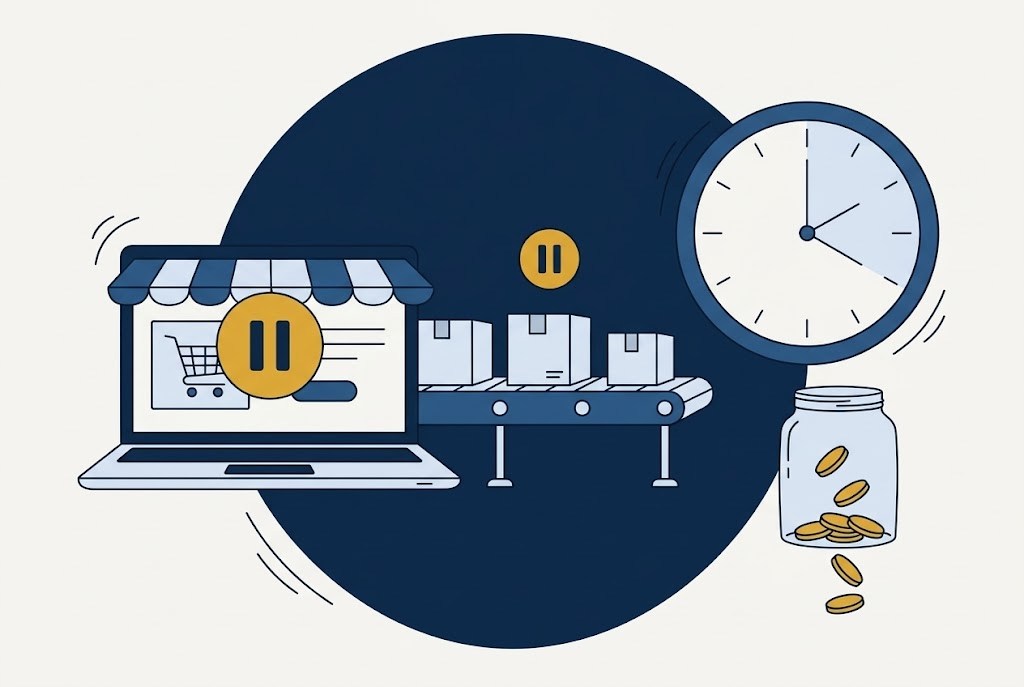
An e-commerce platform is taken offline by ransomware for six days during a peak trading period.
A manufacturer's production scheduling and dispatch systems are encrypted. Orders stop moving until they are rebuilt.
A faulty software update corrupts a core system and causes a two-day outage (where system failure cover is purchased).
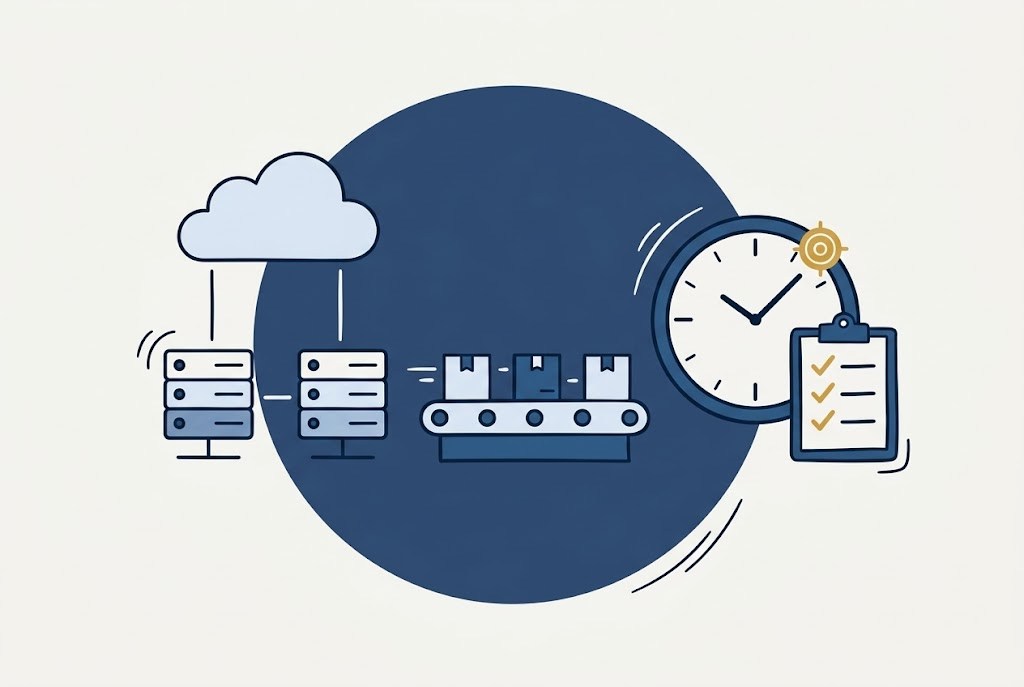
These are the controls that most influence our terms for this section of cover. Missing one doesn't automatically mean no cover. It means we'll talk about it, and explain the effect on your terms.
Typically by comparing your actual results during the interruption with what you would reasonably have earned, using your financial records. Forensic accountants may help prepare the claim. [TODO: confirm basis].
Start a Cyber Risk Check for a clear view of your exposure and what this cover could look like for you.
Get a Cyber Risk Check
Cover is subject to underwriting acceptance and to the terms, conditions, limits, sub-limits, deductibles and exclusions in the policy wording. [TODO: link to policy wording / product summary]